
 Products
 Bars
Bars
 Beads & Spheres
 Bolts & Nuts
 Crucibles
 Discs
Discs
 Fibers & Fabrics
 Films
Films
 Flake
Flake
 Foams
Foams
 Foil
Foil
 Granules
 Honeycombs
 Ink
Ink
 Laminate
 Lumps
Lumps
 Meshes
 Metallised Film
 Plate
Plate
 Powders
 Rod
Rod
 Sheets
 Single Crystals
 Sputtering Target
 Tubes
Tubes
 Washer
 Wires
Wires
 Converters & Calculators
 Write for Us



Please contact us for any additional questions or customized packaging needs.
Packaging Solutions
Last updated on {{lastDate}}
Company Introduction
Founded in 1997 and headquartered in California, USA, Stanford Advanced Materials (SAM) is a global supplier specializing in high-performance materials. With dedicated operations across the United States, Europe, and Asia, we serve clients in sectors including electronics, energy, aerospace, and precision manufacturing. Our core product lines include ceramics, permanent magnets, rare earth elements, precious metals, 3D printing powders, and crystal materials.
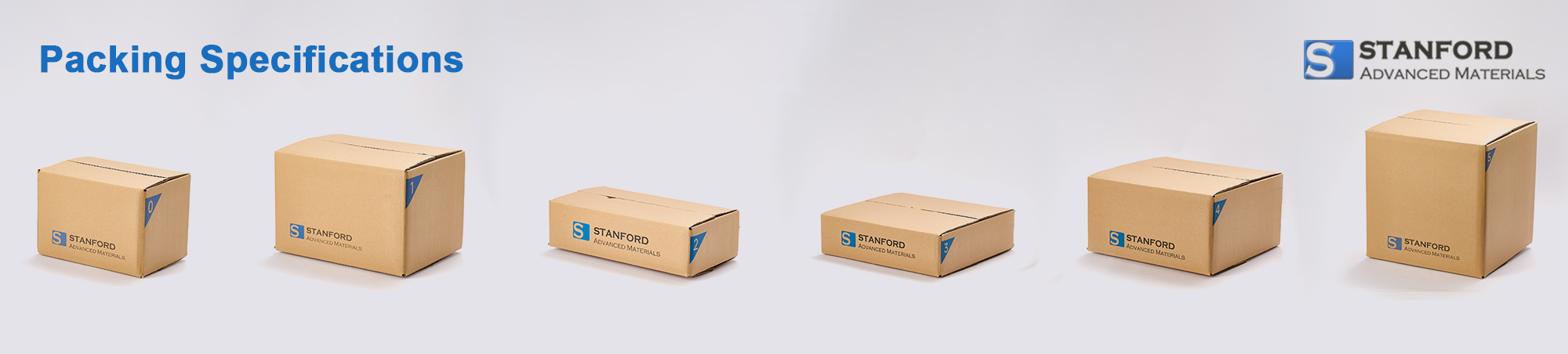
Packaging Materials Overview
To ensure materials arrive in compliance with performance and safety expectations, all SAM shipments are prepared using verified packaging methods and QA-inspected containers. Common packaging types include:
-
High-Strength Corrugated Cartons
Available in multiple dimensions. Compression-rated for durability and recyclable under RoHS-compliant processes. -
Square Fiberboard Drums
Designed for high-mass or bulk items requiring structural rigidity and internal protection. -
Steel Drums and Wooden Crates
Used for shipments exceeding 20 kg, offering external protection against load-bearing stress, vibration, and stacking impact.
All packaging types are sealed using the H-taping method and reinforced with cross-pattern strapping. Batch-level traceability is logged during sealing.
Packaging Operation Procedures
All packaging follows controlled procedures designed for consistency, accountability, and customer assurance.
1. Packing Area Preparation
-
Clean the packing area to ensure no cross-contamination from previous tasks.
2. Pre-Packing Verification
-
Identify the business line and packaging requirements from the green reference label.
-
Use business-provided labels and handle each item individually.
-
Select packaging based on weight, geometry, and risk profile.
-
Apply cushioning as required.
-
Log order number, packed quantity, and packaging method in the batch packing record.
3. QC Checkpoint (Pre-Sealing)
-
Inspect workspace to confirm no unprocessed items remain.
-
Notify the business team for visual and count verification.
-
QC inspects internal packaging for structural fit and damage resistance.
4. Sealing and External Validation
-
External labels are affixed by the business team.
-
QC verifies labeling accuracy and external strapping consistency.
5. Completion
-
Transfer packaged goods to the shipping zone.
-
Reset and clean workstation for the next order.

Packaging Box Specifications and Sealing Requirements
|
Box Code |
External Dimensions (cm) |
External Dimensions (in) |
|
0# |
22 × 15 × 15 |
8.7 × 5.9 × 5.9 |
|
1# |
27 × 20 × 18 |
10.6 × 7.9 × 7.1 |
|
2# |
33 × 17 × 9 |
13.0 × 6.7 × 3.5 |
|
3# |
33 × 31 × 9 |
13.0 × 12.2 × 3.5 |
|
4# |
33 × 31 × 17 |
13.0 × 12.2 × 6.7 |
|
5# |
33 × 31 × 33 |
13.0 × 12.2 × 13.0 |
|
6# |
35 × 35 × 39 |
13.8 × 13.8 × 15.4 |
|
Square Fiberboard Drum |
37 × 37 × 36 |
14.6 × 14.6 × 14.2 |
Need to convert other dimensions? Use our Length Unit Converter.
-
Cartons are sealed using the H taping method.
-
Shipments over 20 kg must use steel drums, fiberboard drums, or wooden crates.
-
Square fiberboard drums are sealed with tape and reinforced with cross-shaped strapping.
-
Round drums are additionally boxed with fiberboard cartons and secured with cross-shaped strapping.
Packaging Methods by Size and Shape
-
Large Cargo
Use steel drums or wooden crates. QC ensures stacking resistance and impact absorption. -
Small Cargo
Use weight-rated cartons with interior bracing. Label verification and cushioning required. -
Irregular-Shaped Items
Customized inner supports or molded inserts are required. Final fit is reviewed by QC for pressure distribution.
Packaging Methods by Product Type
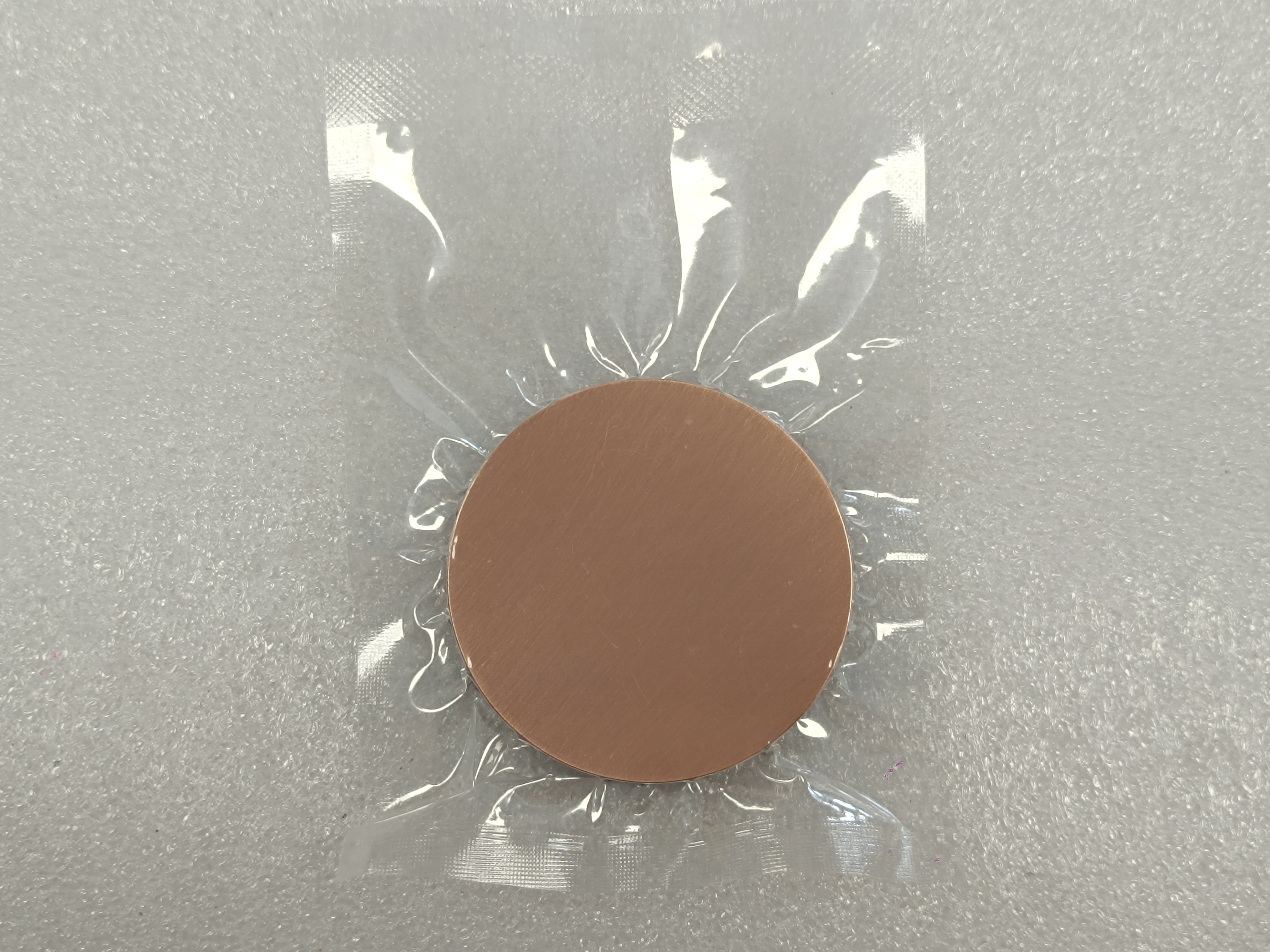
Sputtering Targets: Vacuum-sealed, placed in cushioned PP boxes with desiccants. For hygroscopic materials, double sealing is applied.
3D Printing Powders: Packaged in moisture-proof aluminum pouches or sealed plastic bottles, then boxed with foam protection.
Crystal Materials: Individually wrapped with protective film and foam, boxed with shock absorption layers.
Metal Ingots & Rare Earth Blocks: Bundled and wrapped in anti-oxidation foil, placed in weight-rated cartons or wooden crates depending on mass.
Nanomaterials: Glass vials sealed with PTFE caps, further protected in padded sleeves inside rigid boxes.
Large or Heavy Equipment: Steel drums or wooden crates used, with reinforced internal bracing. QC checks for stacking and impact resistance.
Irregular-Shaped Components: Custom foam inserts or molded supports applied to ensure structural balance and vibration control.
Packaging Compliance and Guarantee
-
All packaging follows SAM's internal QA protocol and relevant environmental directives.
-
Deformed, outdated, or non-rated packaging components are not permitted.
-
Product traceability via label codes and shipment logs is mandatory.
-
SAM guarantees packaging integrity and will provide compensation or corrective actions for failures due to packaging deviation.
Durability & Environmental Commitment
SAM uses packaging materials that are both high-performance and environmentally responsible. All cartons and drums meet transport durability standards without requiring destructive drop testing. Packaging is selected based on material type, risk category, and storage duration.
Frequently Asked Questions (FAQs)
-
Q: Can your packaging ensure product safety during transport?
A: Yes. All packaging is QC-verified and designed to meet impact, vibration, and stacking load requirements for long-haul shipping. -
Q: What if products are damaged during transit?
A: We trace all failures to batch logs and take full responsibility for packaging-induced damage. Resolution is initiated within 24 hours. -
Q: How do you select packaging per item?
A: Based on product weight, geometry, and handling sensitivity. QC oversees final selection and validation. -
Q: Do you label all boxes with traceable info?
A: Yes. Every box is labeled with product code, batch number, and company branding. -
Q: Are packaging materials compliant and recyclable?
A: Yes. All materials meet current EU and US environmental packaging standards.
 Rachel Monroe